
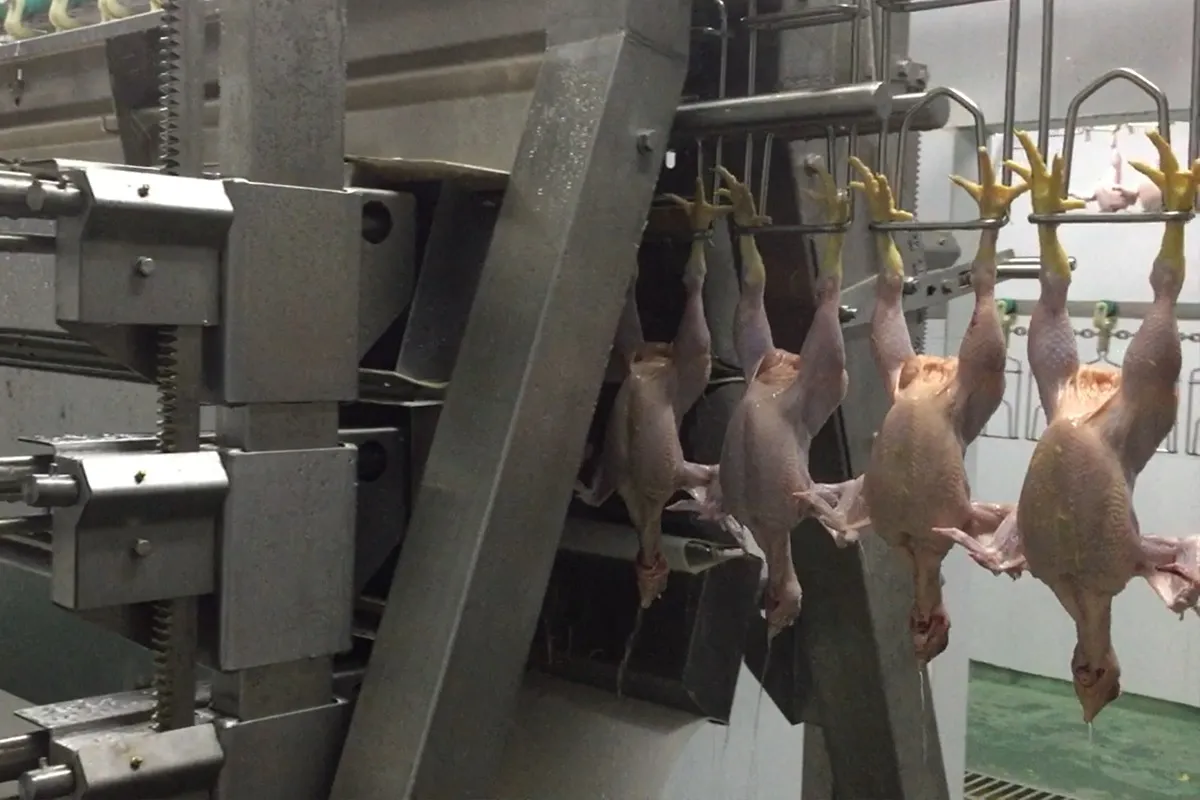
In the realm of food production, the poultry industry holds a prominent position, serving as a vital source of meat for people worldwide. The process of turning live chickens into the neatly packaged chicken breasts and drumsticks we find in supermarkets is a fascinating journey that takes place within the confines of a poultry slaughterhouse. In this article, we’ll delve deep into the world of poultry slaughterhouses, uncovering the importance, processes, equipment, safety measures, and ethical considerations surrounding them.
The Importance of Poultry Slaughter Houses
Poultry slaughterhouses, often unseen by consumers, play a pivotal role in ensuring a safe and reliable supply of poultry products. These facilities are responsible for processing the birds efficiently, ensuring that the end product is not only safe for consumption but also meets the highest quality standards. Moreover, poultry slaughterhouses contribute significantly to the economy by providing employment opportunities and supporting the ever-growing demand for poultry meat.
Understanding Poultry Processing
Before we dive into the specifics of poultry slaughterhouses, let’s take a moment to understand the broader concept of poultry processing. Poultry processing encompasses a series of steps that transform live birds into various products like whole chickens, chicken parts, and even by-products such as feathers and chicken fat. The primary objective is to provide consumers with safe, high-quality poultry products while minimizing waste.
Key Stages in Poultry Slaughter
1. Pre-Slaughter Preparation
The journey begins with the arrival of live chickens at the slaughterhouse. Before processing can commence, the birds undergo an evaluation process to ensure they meet quality standards. This stage also includes proper handling and transportation of the birds to minimize stress, which can affect the meat’s quality.
2. Stunning and Immobilization
Stunning is a critical phase that renders the birds unconscious and insensitive to pain before the actual slaughter. Common stunning methods include electrical stunning, gas stunning, and controlled atmosphere stunning. This humane approach ensures that the birds do not suffer during the process.
3. Bleeding
Once the birds are stunned, the next step involves bleeding them out. This process is essential for draining the blood from the body, improving meat quality, and extending shelf life.
4. Scalding and Feather Removal
To remove feathers effectively, the birds are subjected to scalding, which softens the feather follicles. Automated machines then pluck the feathers, leaving the bird ready for further processing.
5. Evisceration
Evisceration, or the removal of internal organs, is a crucial step to ensure food safety. Modern equipment and skilled workers ensure that the evisceration process is precise and efficient.
6. Chilling
Immediately after evisceration, the birds are chilled to prevent bacterial growth and maintain product freshness. This is a critical step to ensure food safety.
7. Quality Control
Throughout the entire process, rigorous quality control measures are in place. Inspection of the birds and meat ensures that only safe and high-quality products make their way to consumers.
Poultry Slaughterhouse Equipment
Poultry slaughterhouses rely on a range of specialized equipment to streamline the processing journey. These include stunning devices, feather removal machines, evisceration systems, and temperature-controlled chilling units. The investment in modern equipment ensures efficiency and product consistency.
Safety Measures in Poultry Slaughterhouses
Safety is paramount in poultry slaughterhouses. Workers are provided with training, protective gear, and adhere to strict hygiene protocols. The industry also employs safety measures like emergency shut-offs, proper ventilation, and fire prevention systems to protect both workers and the poultry products.
Sustainability and Ethical Considerations
In recent years, ethical and sustainability concerns have gained prominence in the poultry industry. Many slaughterhouses are adopting practices that prioritize animal welfare, minimize waste, and reduce environmental impact. Consumers can now choose products from facilities that align with their values.
Conclusion
The journey from a live chicken to the chicken on your dinner plate is a meticulously planned and executed process. Poultry slaughterhouses ensure that the meat you consume is safe, high-quality, and ethically produced. As consumers, understanding this process empowers us to make informed choices about the poultry products we purchase.
FAQs
1. Are there alternatives to traditional poultry slaughterhouses? Yes, some alternatives include smaller-scale, locally sourced poultry farms that prioritize ethical and sustainable practices.
2. How can I ensure the poultry products I buy are ethically sourced? Look for certifications like “organic,” “free-range,” or “humane certified” on product labels. These indicate higher ethical and sustainability standards.
3. Is poultry processing different from poultry slaughter? Yes, poultry processing includes various stages beyond slaughter, such as cutting, packaging, and distribution.
4. What role does technology play in modern poultry slaughterhouses? Technology is essential for ensuring efficiency and precision in the poultry processing industry, from stunning methods to automated feather removal.
5. How can I support ethical and sustainable poultry production? Support local producers who prioritize ethical and sustainable practices, and stay informed about the poultry brands you choose to buy